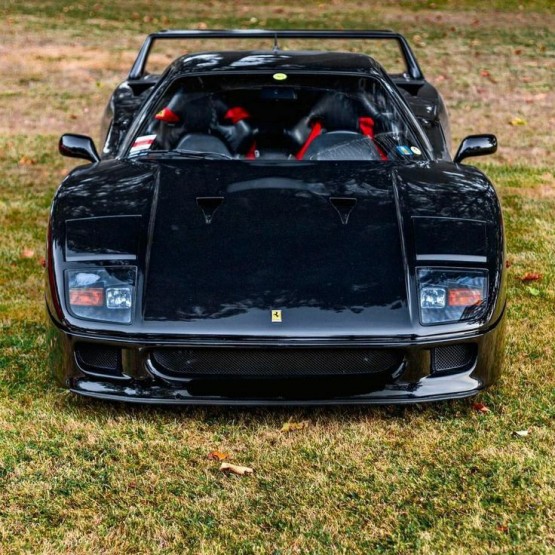

Ferrari F40
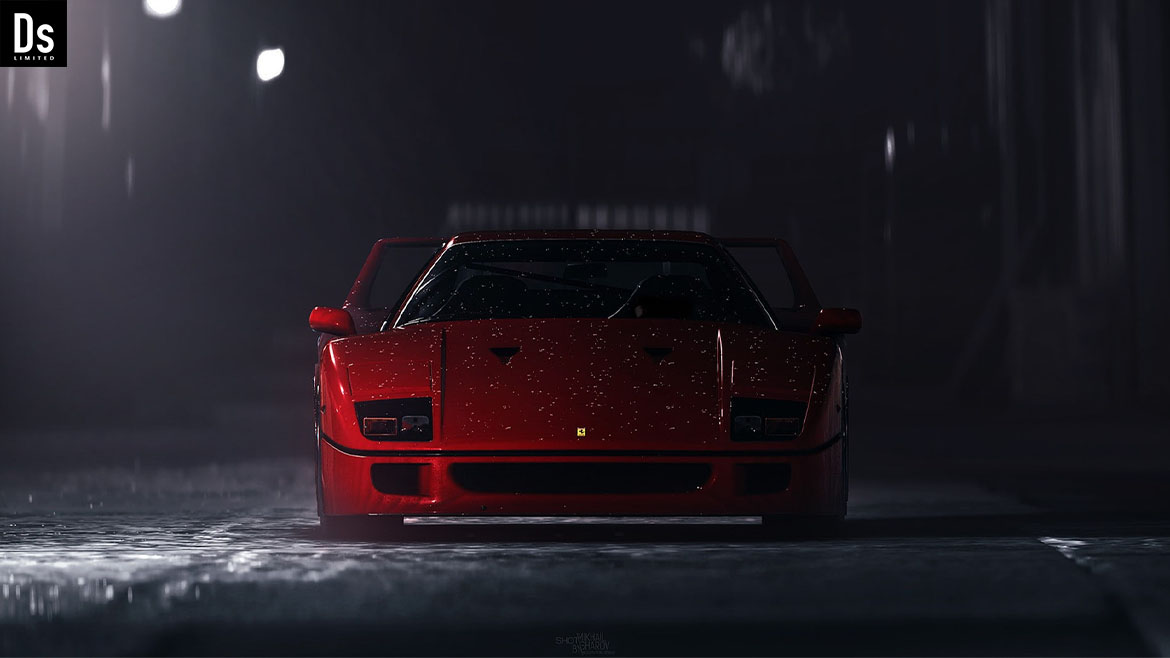
Ferrari F40 — a two-door, mid-engine masterpiece with rear-wheel drive, built in a Berlinetta body. Production of this car lasted only five years, from 1987 to 1992, but in that time, it became a true legend. The inspiration for the F40 came from the racing version of the Ferrari 288 GTO, whose chassis — the GTO Evoluzione — became the basis for the new model. A total of 1,315 cars were produced, each embodying speed, power, and technological progress.
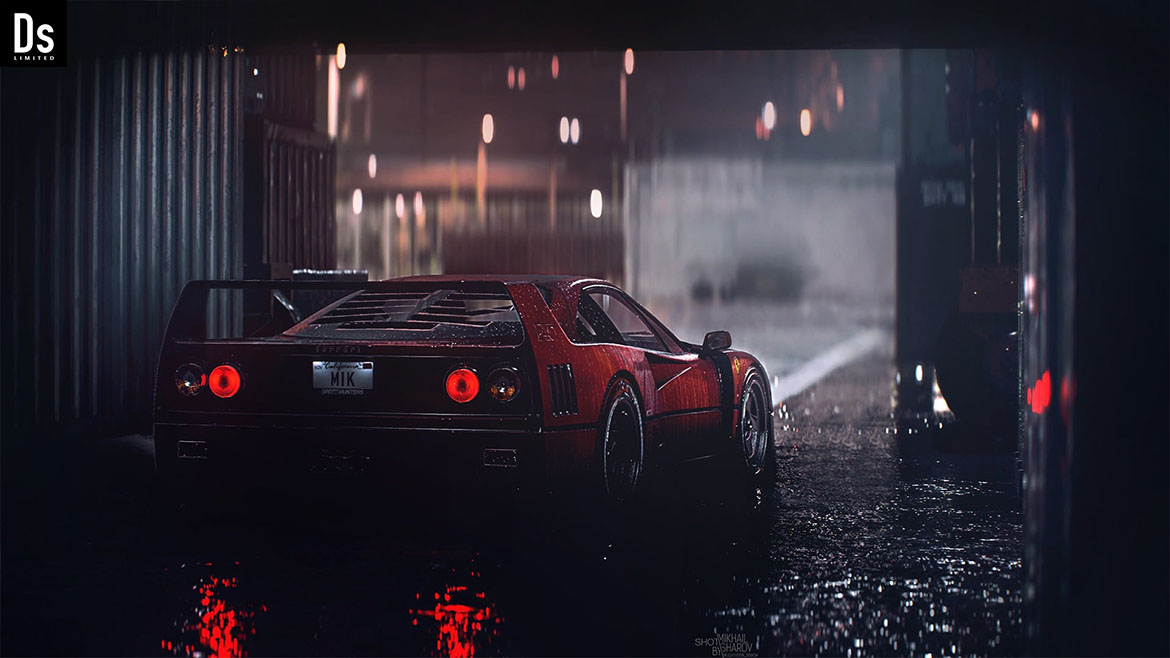
From 1987 to 1989, the F40 held the title of the fastest production car, capable of accelerating to record speeds for public roads. This car was iconic for Ferrari — the most powerful and expensive car by the brand at the time of release. Initially priced at $400,000, demand quickly skyrocketed, pushing the price of a single model up to $1.6 million. The model's name referenced the brand's 40th anniversary, while the car itself embodied Enzo Ferrari's ambition to create a truly unique automobile.
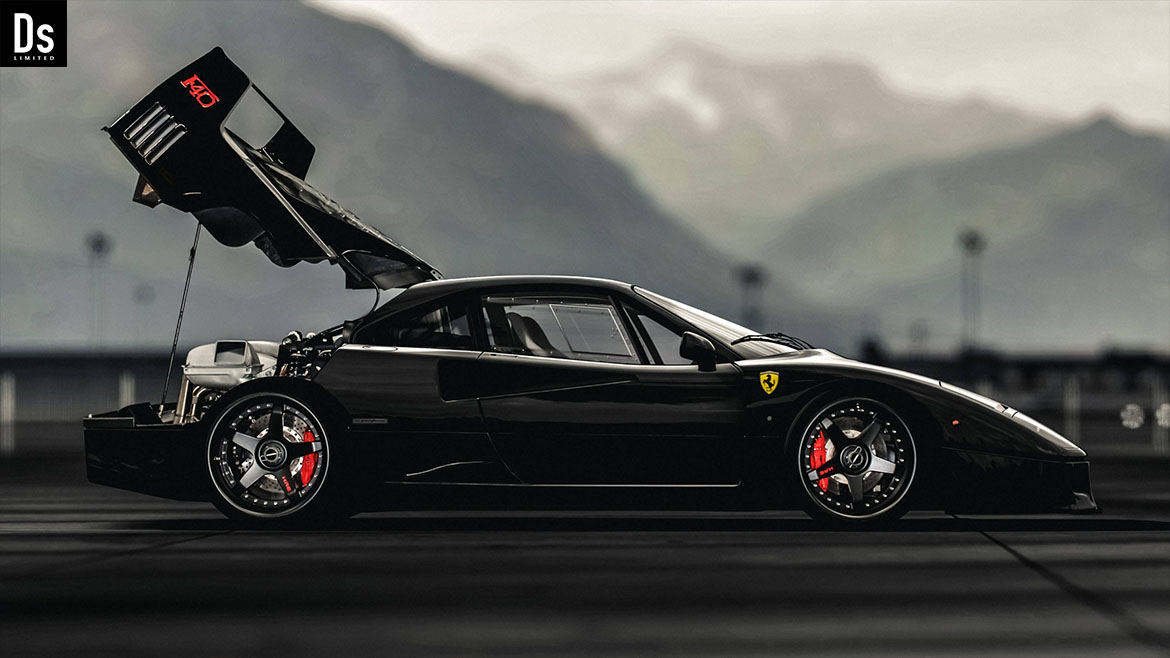
Initially, only 400 units were planned, but interest in the new supercar proved so high that production was expanded. Thanks to its lightweight 1,100 kg frame and powerful 478-horsepower V8 engine with twin turbos, the F40 exhibited incredible dynamics, reaching 0-100 km/h in 3.8 seconds and achieving a top speed of 321 km/h. It was the first street-legal car to surpass the 200 mph mark. In 2006, at the famous Bonneville Speed Trials, a specially modified F40 reached a staggering 364 km/h.
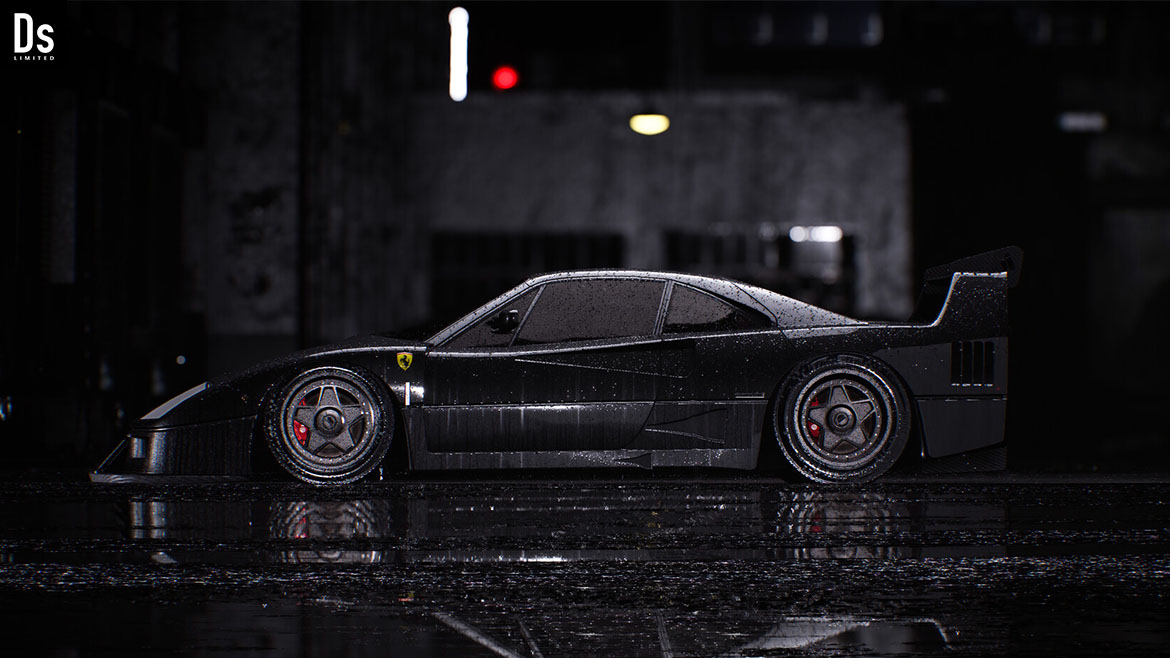
The body structure, designed by Pininfarina, combined composite materials like Kevlar and carbon fiber for strength and minimal weight. The sleek aerodynamic lines were not only striking but also highly functional, crafted to reduce drag and lift. A lowered ride height added aggressiveness to the car's stance and allowed it to literally glide along the track, evoking the feel of a closed-body race car.
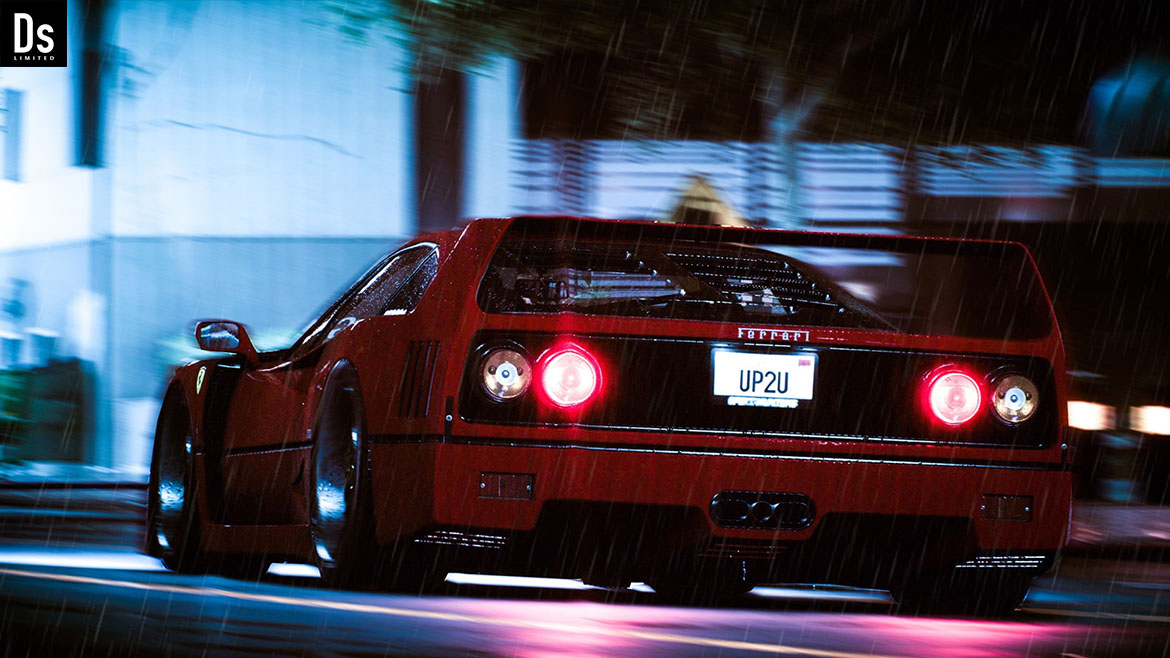
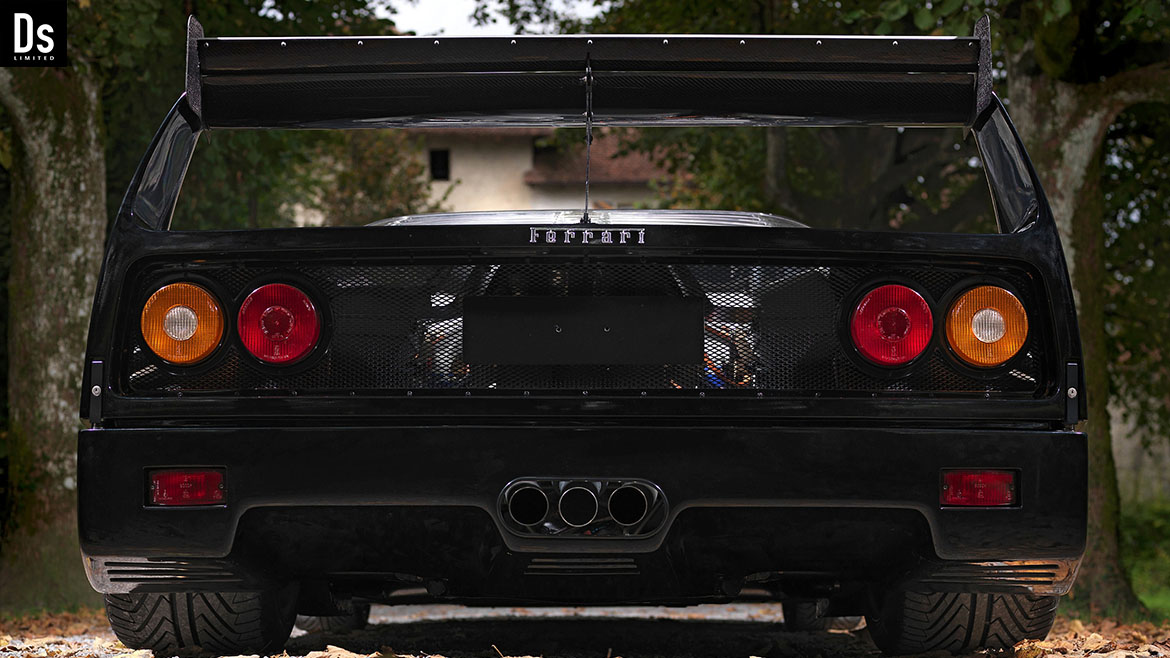
The F40 was also the first Ferrari model to feature three exhaust pipes, with the two outer pipes venting engine cylinder gases, while the center pipe served to relieve excess pressure. Focused on performance, the car delivered phenomenal results even in the GTO class, where in 1989, Jean Alesi drove it to third place at the IMSA race in Laguna Seca.
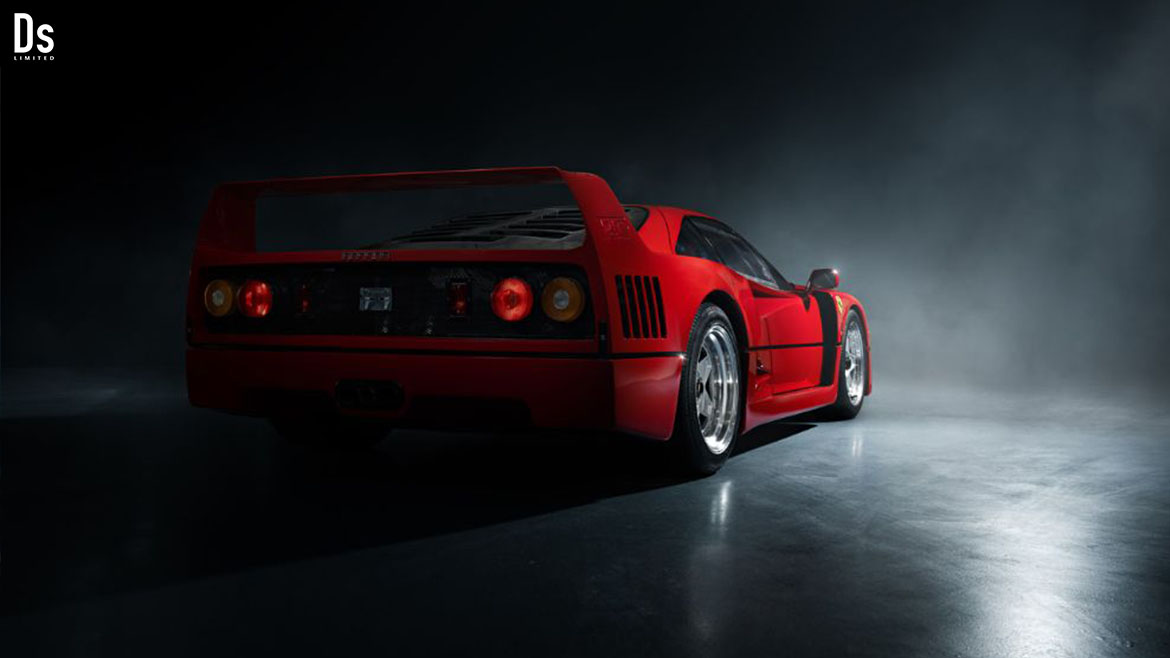
Although the F40 was intended as a road car, its racing victories proved the exceptional engineering craftsmanship of Ferrari. The car debuted in international competitions, taking first places in prestigious series such as the JGTC and BPR Global GT.
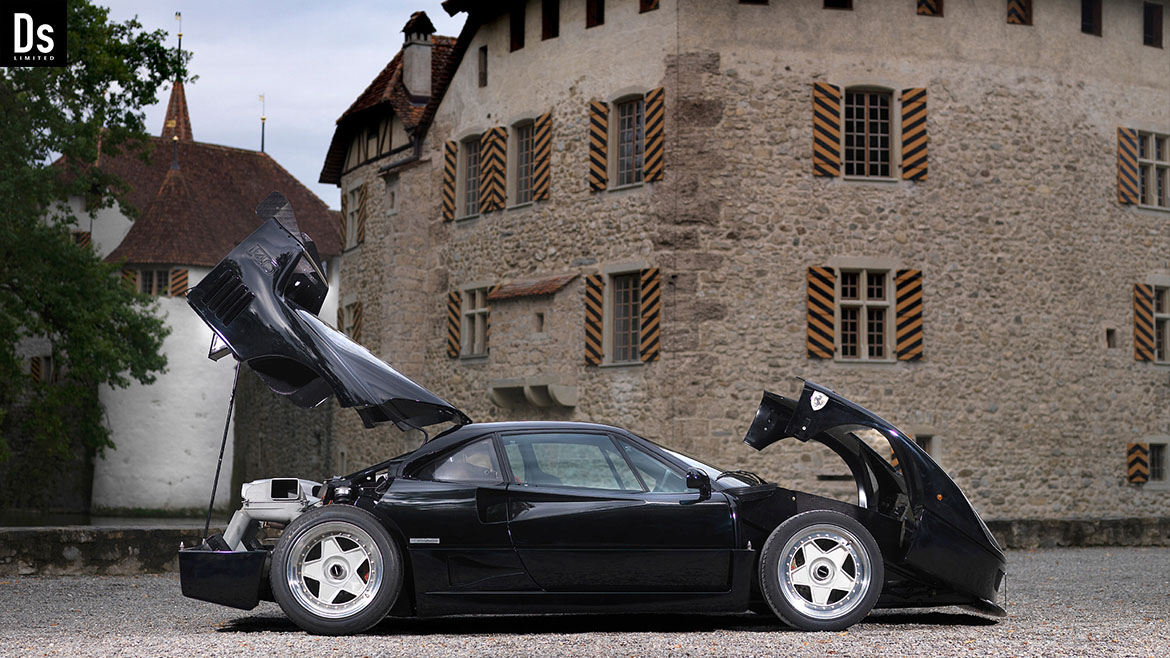
The performance specs of the Ferrari F40 reached the level of a true supercar: its top speed was an impressive 324 km/h, and it accelerated from 0 to 100 km/h in just 4.1 seconds. Over a distance of 400 meters, the car finished in 11.9 seconds, while 1000 meters took just 20.9 seconds.
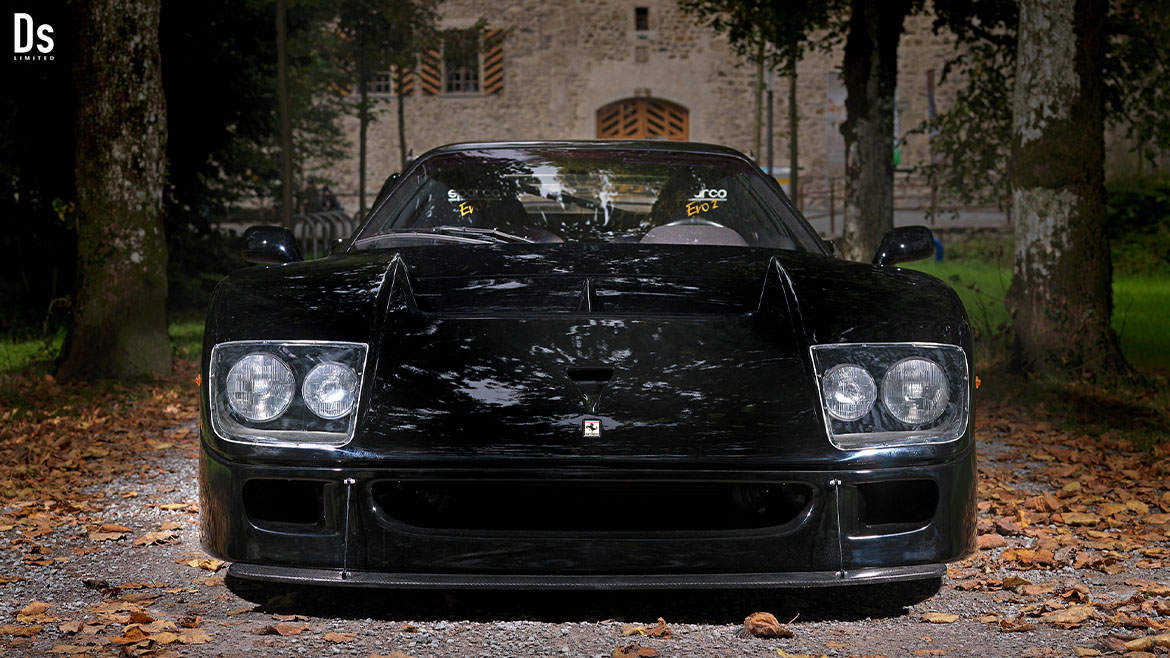
The F40’s suspension, similar to that of the 288 GTO, featured a complex system of double wishbones, enhanced for improved stability and handling. Weight reduction was achieved through the use of thin plastic in the front and side windows, and by omitting sound insulation, carpets, and even door handles, with some versions opting for Lexan sliding windows.
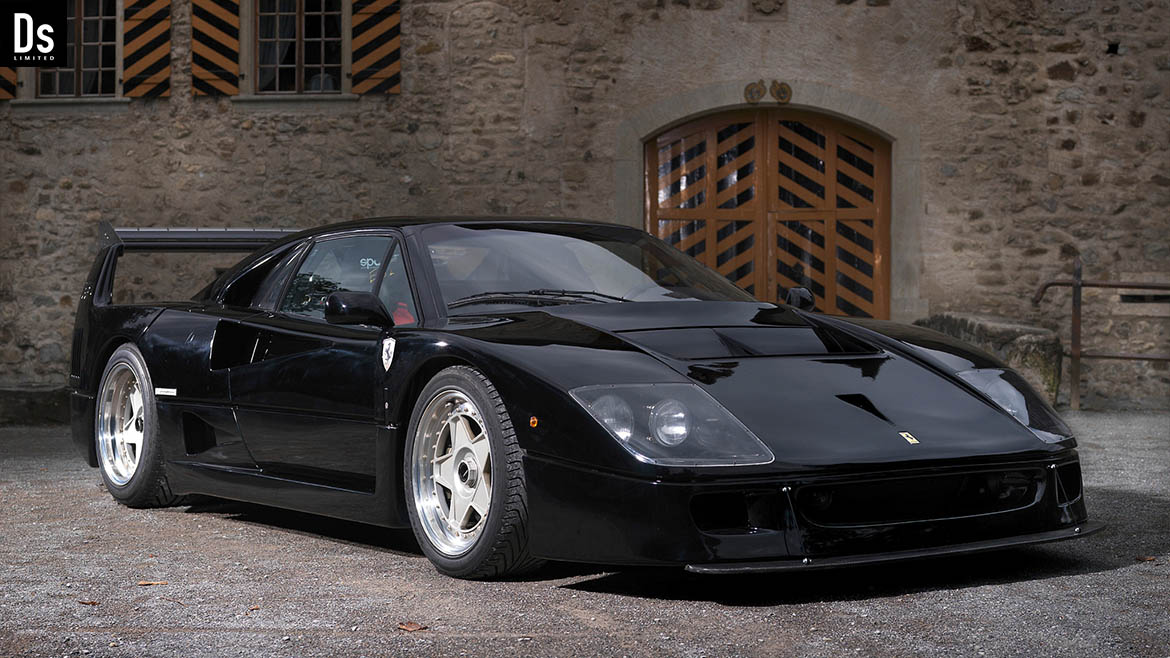
| Ferrari F40: Main Specifications | |
|---|---|
| Body | Supercar |
| Number of doors | 2 doors |
| Production | 1311 units |
| Ferrari F40: Engine Technical Data | |
|---|---|
| Engine | V8 |
| Engine code | F120 A000 |
| Fuel | Gasoline |
| Fuel system | Marelli-Weber injection |
| Displacement | 2936 cm³ / 179.2 cu-in |
| Diameter x Stroke | 82.0 x 69.5 mm |
| Type | 32 valves |
| Compression ratio | 7.7 |
| Power | 478 PS / 471 HP / 352 kW @ 7000 rpm |
| Torque | 577 Nm / 425 lb-ft @ 4000 rpm |
| Drive | RWD |
| Transmission | 5-speed manual |
| Ferrari F40: Consumption, Emissions, and Range | |
|---|---|
| Fuel consumption - city | 8.6 L/100 km (33 MPG UK, 27 MPG US) |
| Fuel consumption - highway | 9.7 L/100 km (29 MPG UK, 24 MPG US) |
| Fuel consumption - combined | 9.7 L/100 km (29 MPG UK, 24 MPG US) |
| Fuel tank capacity | 120 L (31.7 US gallons, 26.4 UK gallons) |
| Catalytic converter | Yes |
| Ferrari F40: Performance | |
|---|---|
| Top speed | 324 km/h / 201 mph |
| 0-60 mph (0-96 km/h) acceleration | 3.8 seconds |
| 0-100 km/h acceleration | 4.1 seconds |
| 0-400 meters acceleration | 11.9 seconds |
| 0-1000 meters acceleration | 20.9 seconds |
| Ferrari F40: Dimensions, Weight, and Aerodynamics | |
|---|---|
| Wheelbase | 245.0 cm / 96.46 inches |
| Length | 435.8 cm / 171.57 inches |
| Height | 197.0 cm / 77.56 inches |
| Width | 112.4 cm / 44.25 inches |
| Front axle | 159.4 cm / 62.76 inches |
| Rear axle | 160.6 cm / 63.23 inches |
| Ground clearance | 12.5 cm / 4.92 inches |
| Curb weight | 1235 kg / 2723 lbs |
| Dry weight | 1100 kg / 2425 lbs |
| Power-to-weight ratio | 2.6 kg/hp |
| Ferrari F40: Interior Dimensions | |
|---|---|
| Number of seats | 2 seats |
| Trunk | - |
| Ferrari F40: Brakes, Tires, Steering, and Suspension | |
|---|---|
| Front brakes | Ventilated disc (330 mm / 12.99 inches) |
| Rear brakes | Ventilated disc (330 mm / 12.99 inches) |
| Front tires | 245/40 R17 |
| Rear tires | 335/35 R17 |
| Steering | Manual, ratio 12.5:1 |
| Front suspension | Double wishbone |
| Rear suspension | Double wishbone |
| Ferrari F40: Price and Features | |
|---|---|
| Price (new) | £400,000 |
| Price (used market) | £1,000,000 |
| Years of production | 1987-1992 |
| Notes | The last true supercar produced by Ferrari, the F40 is a car that represents the pinnacle of technology, style, and speed. |
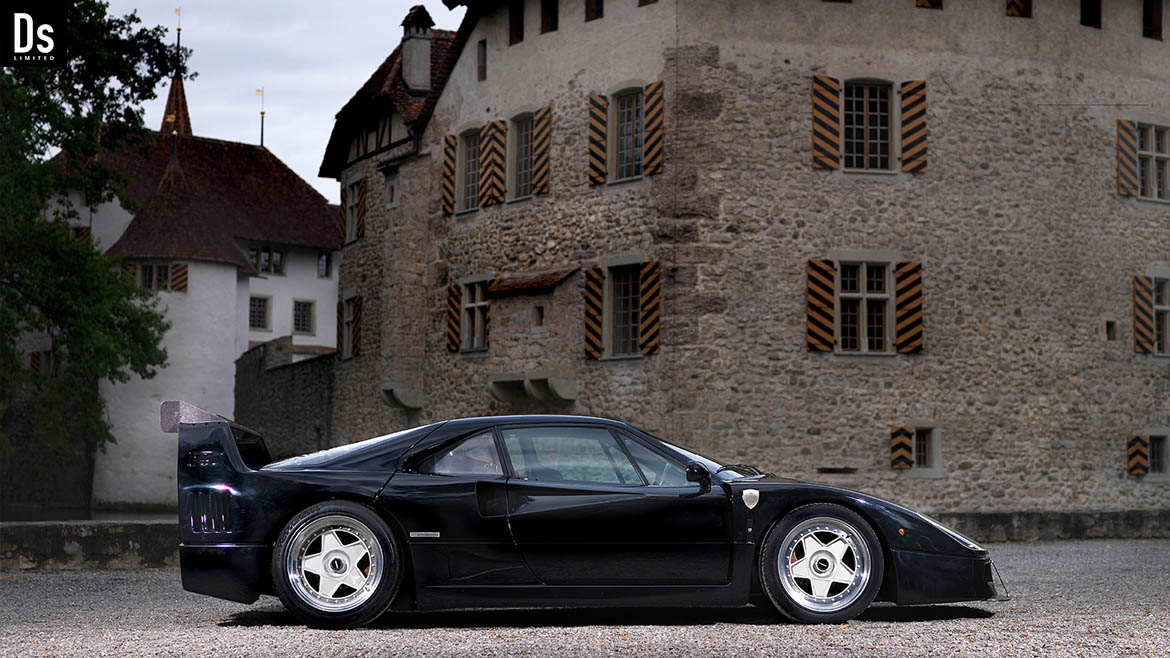
The Ferrari F40 was the second supercar in history created at legendary Maranello, arriving exactly 40 years after Ferrari’s first road car. This Berlinetta, with its unbridled racing DNA, was designed by Pininfarina and crafted from advanced composite materials that emphasized its power and drive for speed.
Write a review
Your Name:Your Review: Note: HTML is not translated!
Rating: Bad Good
Enter the code in the box below:
 DS.LIMITED
 Email: d@ds.limited