Faroe Islands
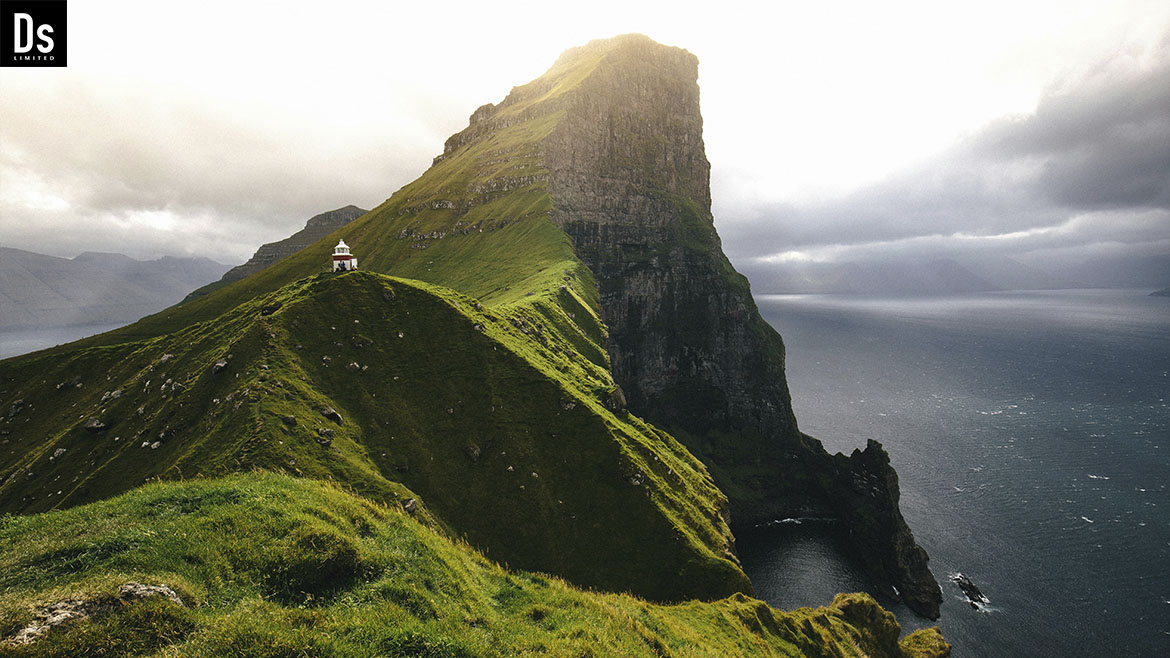
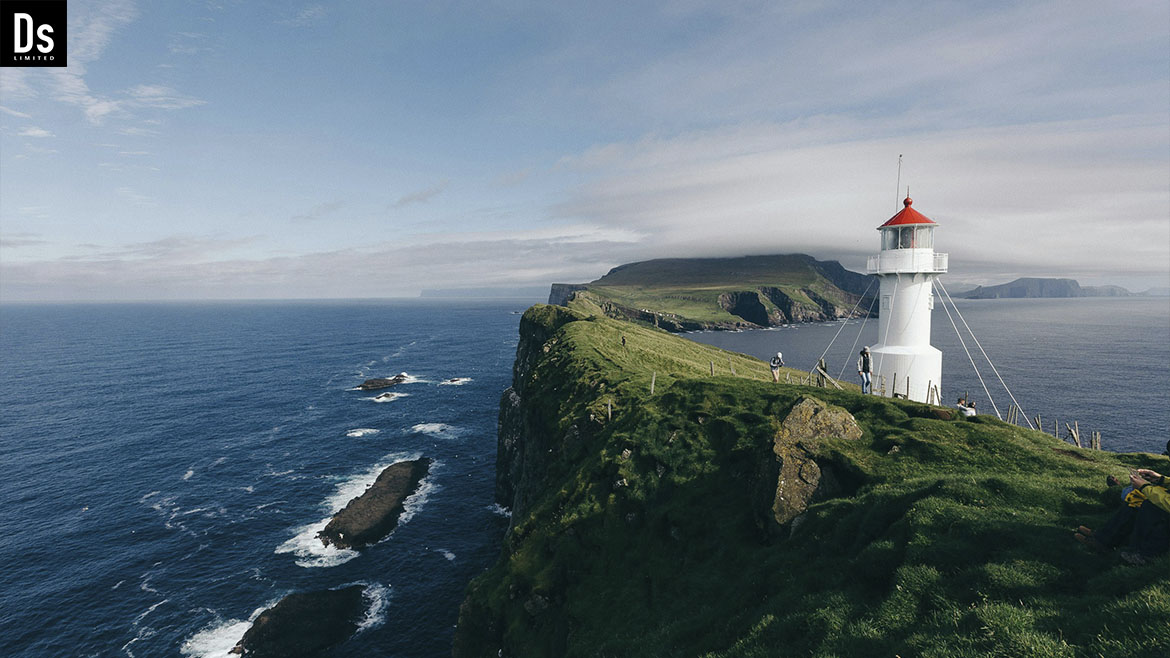
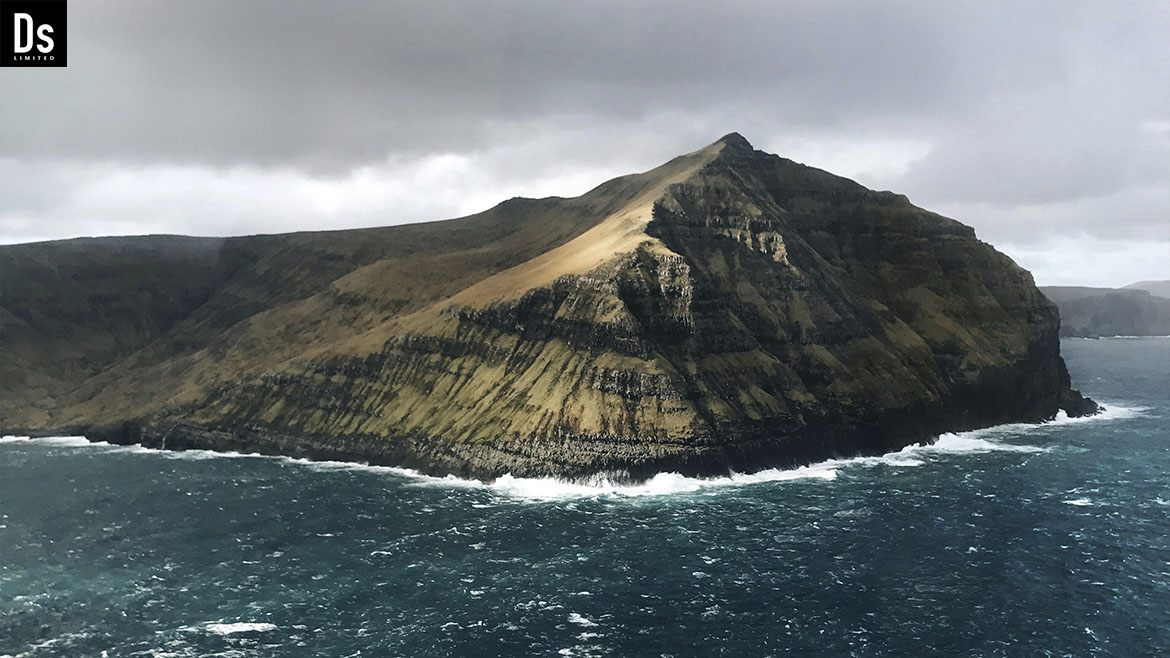
The Faroe Islands—a land where nature and humanity have formed a unique alliance, enduring the whims of a harsh climate and magnificent landscapes. This distinctive archipelago, located in the northern part of the Atlantic Ocean between Norway, Iceland, and Scotland, comprises 18 islands rising from the depths, forming scenic panoramas. Administratively under Denmark, the Faroes enjoy broad autonomy, preserving and cultivating their own traditions, language, and culture despite the influence of modernity and proximity to technologically advanced countries.
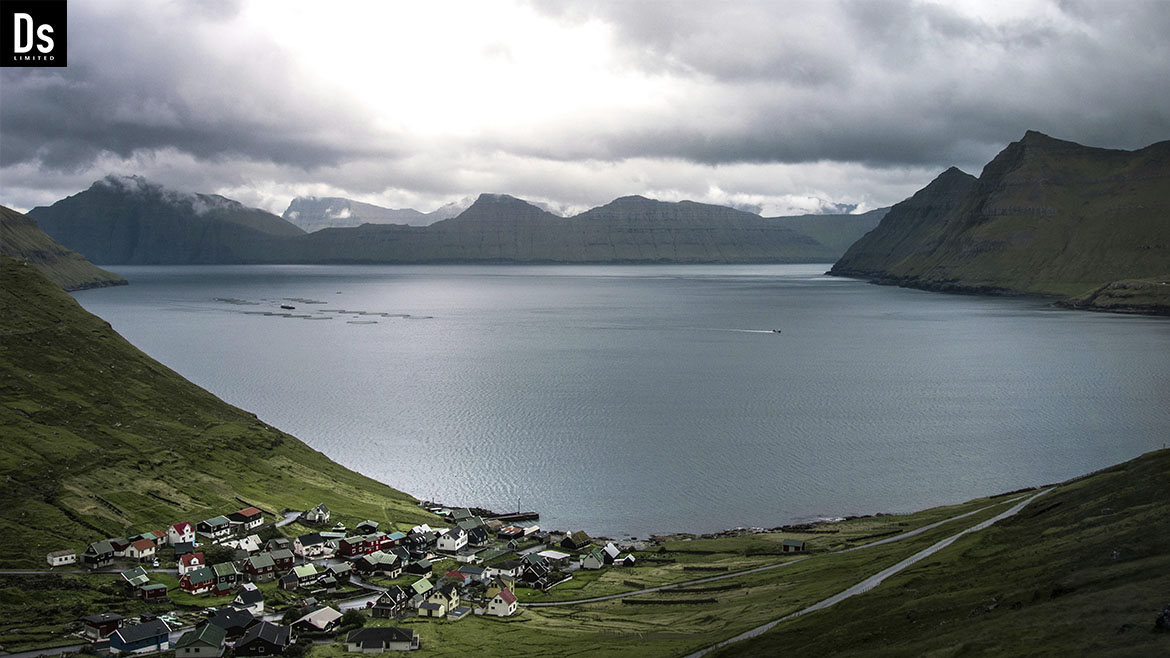
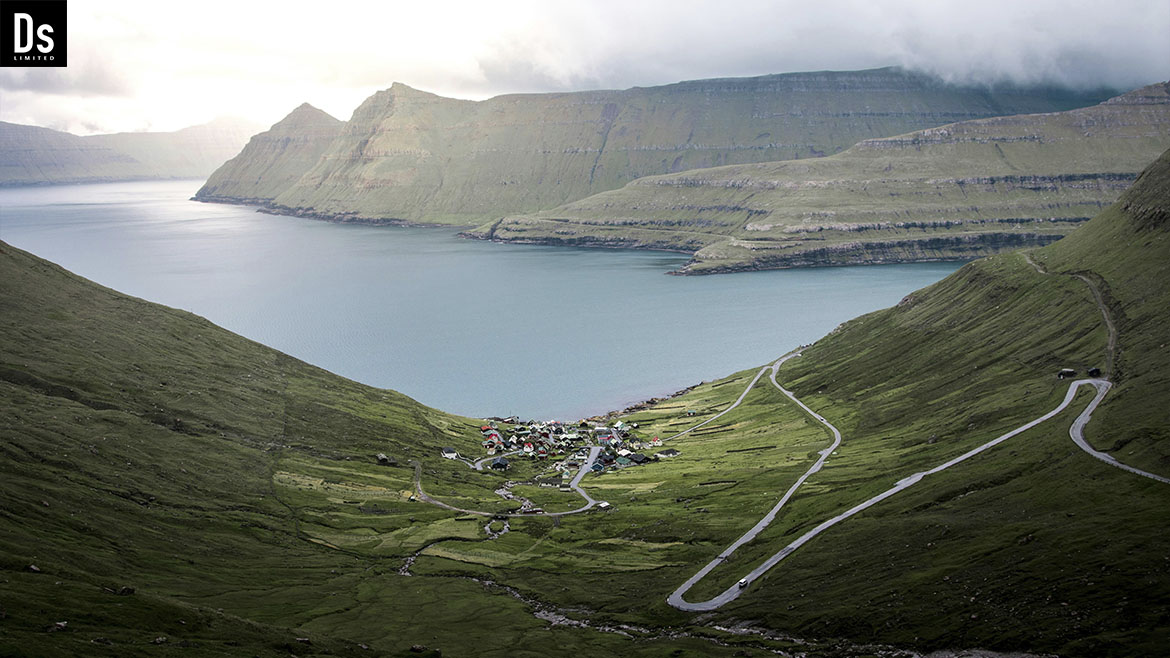
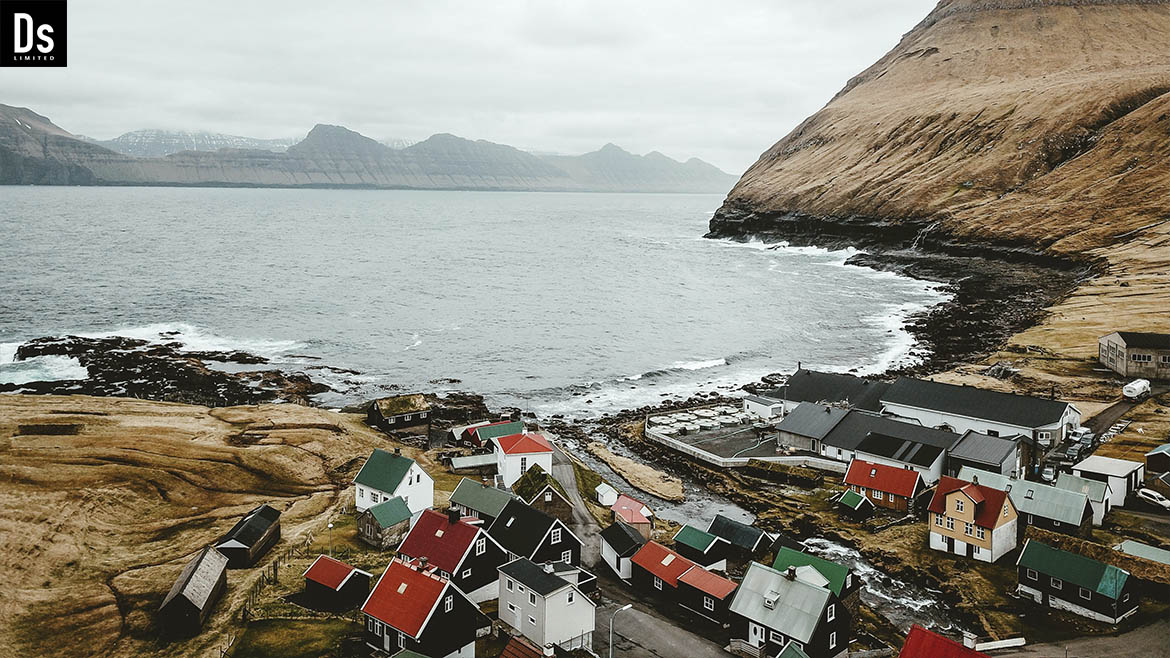
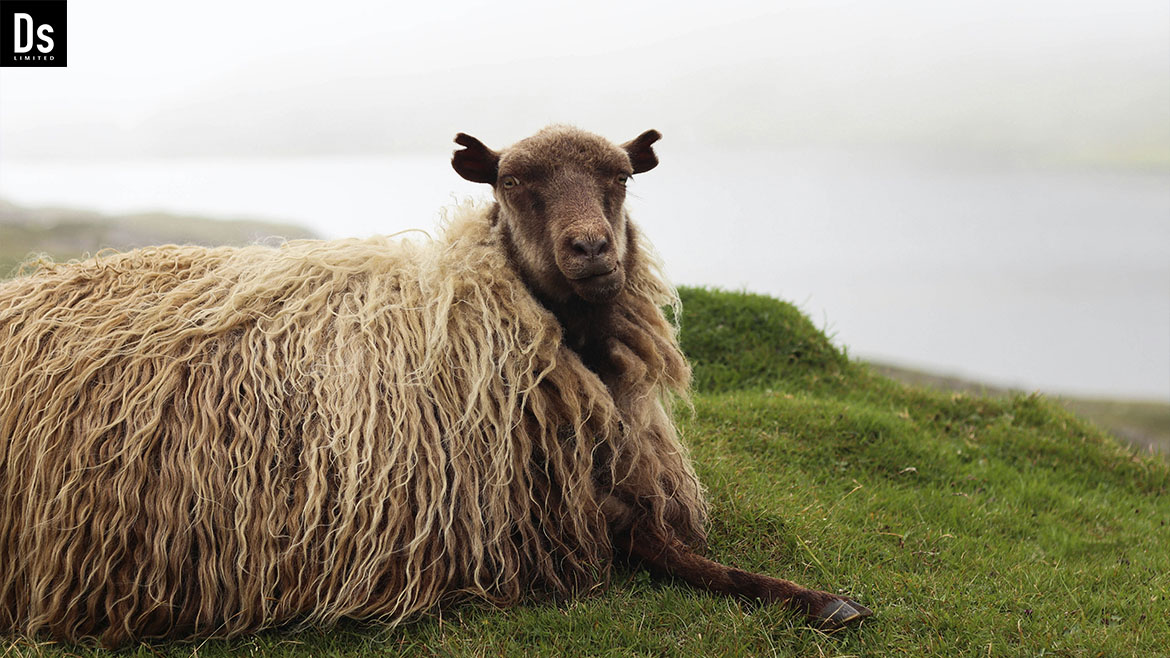
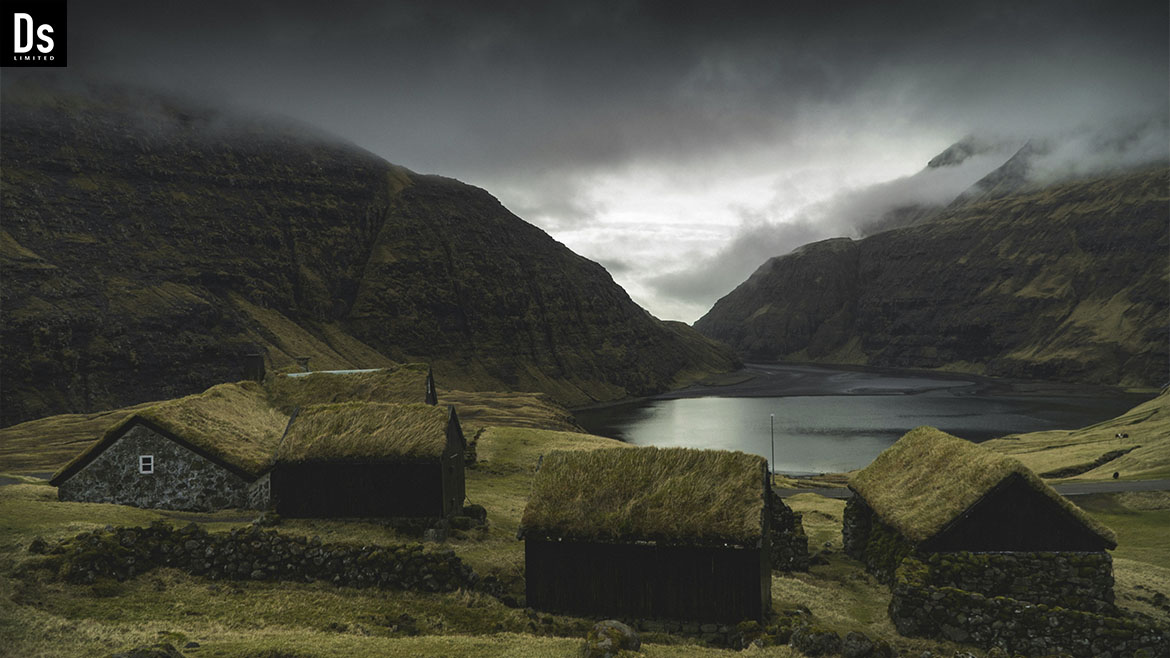
Small villages with turf-covered houses seem like an extension of the landscape, as if the islands themselves built them by hand, nestled among mountains and lakes. Sheep farming, one of the oldest traditions, remains a primary occupation, producing famous soft, warm woolen products renowned far beyond the archipelago. Flocks of sheep grazing on endless green pastures are an unforgettable sight for every visitor to the Faroes, embodying not merely a national symbol but an integral part of daily life.
With a population of around 50,000 and low population density, the islands exude a sense of space and tranquility. The main town and port, Tórshavn, is not only an economic hub but also a guardian of cultural traditions. Its streets feature buildings constructed using age-old techniques, with grass roofs and sturdy wooden walls designed to withstand the strong Atlantic winds.
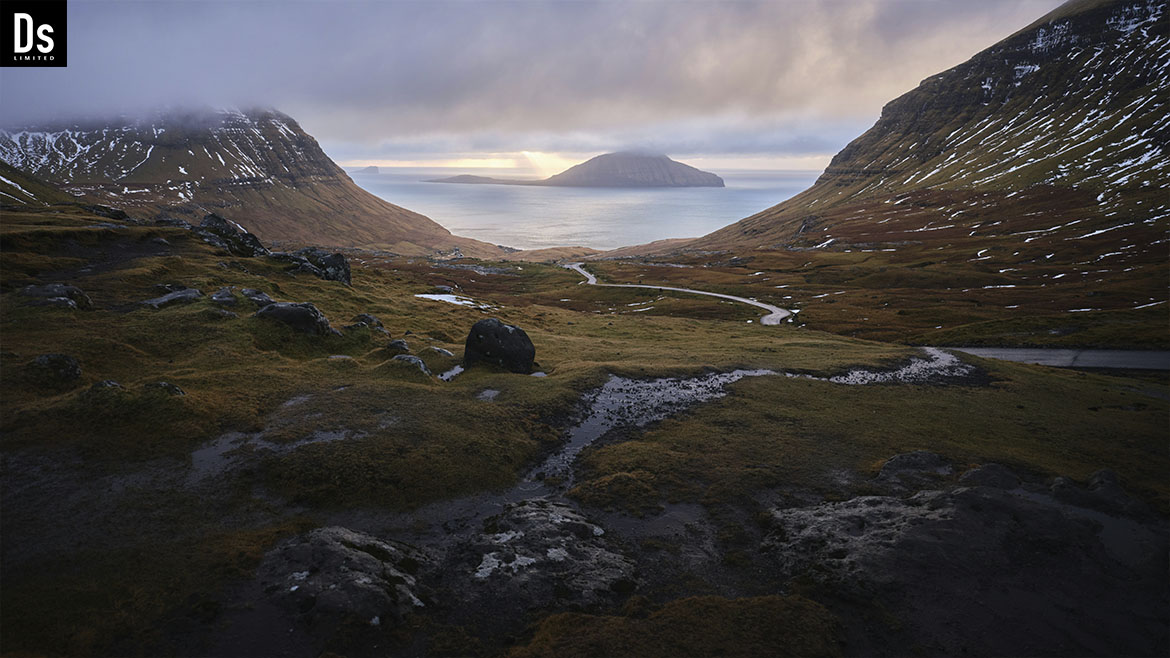
The climate on the Faroes is ever-changing: throughout the day, one may encounter sun, rain, and fog, making journeys across the archipelago thrilling and unpredictable. The constant companion, the wind, adds a special charm, reminding one that nature reigns here, setting its own terms. Summers are cool, winters mild, and even in the coldest months, temperatures rarely drop below zero.
The rich culture of the islands emerged at the crossroads of northern traditions and maritime life. Ancient rituals and festivals, such as Ólavsøka—an annual national day celebrating Saint Olaf—are still observed, with Faroese people gathering in traditional attire to honor their unity. Folk dances, ballads, and tales of legendary times echo as they did centuries ago, preserving the spirit of northern heritage. Fishing is another indispensable element, shaping the lifestyle and economy of the Faroes, linking people deeply to the sea.
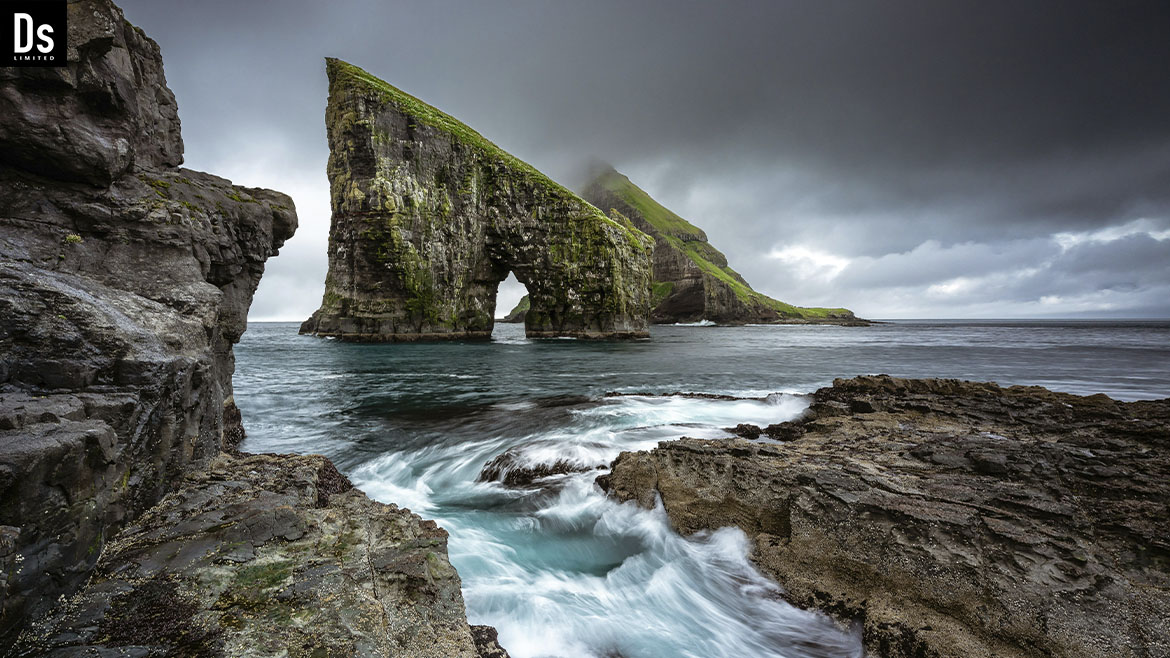
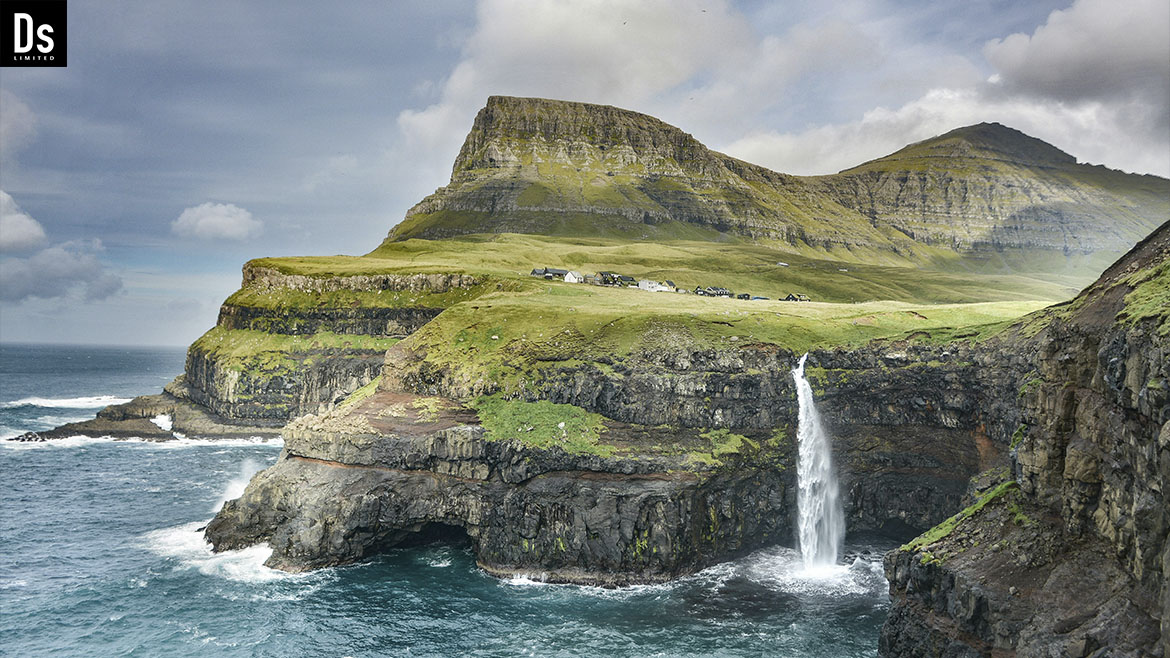
The natural attractions of the Faroes are captivating in their diversity: from waterfalls cascading from cliffs directly into the ocean to deep fjords concealing the secrets of ancient settlements. The most famous waterfall, Múlafossur, located on the island of Vágar, often enchants visitors, highlighting the uniqueness of this archipelago, where nature remains in its pristine form.
The Faroe Islands—a land where nature and humanity have formed a unique alliance, enduring the whims of a harsh climate and magnificent landscapes. This distinctive archipelago, located in the northern part of the Atlantic Ocean between Norway, Iceland, and Scotland, comprises 18 islands rising from the depths, forming scenic panoramas. Administratively under Denmark, the Faroes enjoy broad autonomy, preserving and cultivating their own traditions, language, and culture despite the influence of modernity and proximity to technologically advanced countries.
Small villages with turf-covered houses seem like an extension of the landscape, as if the islands themselves built them by hand, nestled among mountains and lakes. Sheep farming, one of the oldest traditions, remains a primary occupation, producing famous soft, warm woolen products renowned far beyond the archipelago. Flocks of sheep grazing on endless green pastures are an unforgettable sight for every visitor to the Faroes, embodying not merely a national symbol but an integral part of daily life.
With a population of around 50,000 and low population density, the islands exude a sense of space and tranquility. The main town and port, Tórshavn, is not only an economic hub but also a guardian of cultural traditions. Its streets feature buildings constructed using age-old techniques, with grass roofs and sturdy wooden walls designed to withstand the strong Atlantic winds.
The climate on the Faroes is ever-changing: throughout the day, one may encounter sun, rain, and fog, making journeys across the archipelago thrilling and unpredictable. The constant companion, the wind, adds a special charm, reminding one that nature reigns here, setting its own terms. Summers are cool, winters mild, and even in the coldest months, temperatures rarely drop below zero.
The rich culture of the islands emerged at the crossroads of northern traditions and maritime life. Ancient rituals and festivals, such as Ólavsøka—an annual national day celebrating Saint Olaf—are still observed, with Faroese people gathering in traditional attire to honor their unity. Folk dances, ballads, and tales of legendary times echo as they did centuries ago, preserving the spirit of northern heritage. Fishing is another indispensable element, shaping the lifestyle and economy of the Faroes, linking people deeply to the sea.
The natural attractions of the Faroes are captivating in their diversity: from waterfalls cascading from cliffs directly into the ocean to deep fjords concealing the secrets of ancient settlements. The most famous waterfall, Múlafossur, located on the island of Vágar, often enchants visitors, highlighting the uniqueness of this archipelago, where nature remains in its pristine form.